
Over 400 million people worldwide live with diabetes, making it one of the most common lifestyle conditions today. Food choices play a powerful role in regulating daily sugar levels and maintaining long-term health. Yet, many people believe that finding the best foods for diabetic patients to control sugar level means giving up flavor and enjoyment.
This myth often causes frustration and overly strict diets, which can actually make blood sugar harder to manage. What if we tell you the shocking truth? Having control over sugar level is not about deprivation; it is about balance and smarter food swaps that support steady glucose levels. In this guide, we will uncover expert-approved foods that make healthy eating simple, satisfying, and sustainable for diabetics.
Understanding the Food & Sugar Control Link
What you eat directly affects how your blood sugar rises and falls throughout the day. When you consume carbohydrates, your body breaks them down into glucose the main source of energy. Insulin, a hormone produced by the pancreas, helps move this glucose into your cells.
However, eating too many refined carbs or sugary foods can cause sudden spikes, leading to fatigue and poor sugar control. Choosing fiber-rich foods, lean proteins, and low-glycemic options helps slow glucose release, keeping energy steady and blood sugar levels balanced naturally.
Top 12 Best Foods for Diabetes Control
Managing diabetes is about making smart choices, not sacrifices. The right foods can stabilize your sugar levels, improve energy, and protect your heart . While keeping meals delicious. Here are 12 expert-approved foods that help regulate blood sugar naturally.
1. Leafy Greens: Spinach, Kale and Fenugreek Leaves
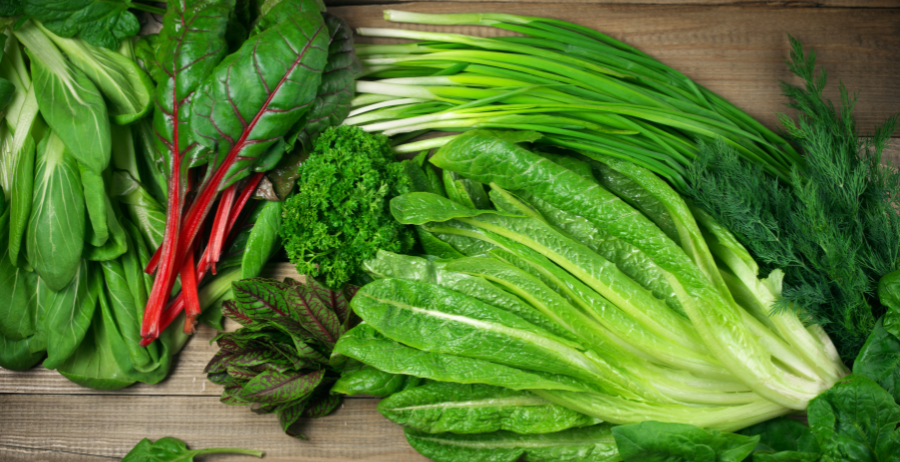
Leafy greens are a diabetic’s best friend low in carbohydrates yet packed with fiber, magnesium, and antioxidants. All this helps your body use insulin efficiently. They slow
- Glucose absorption
- Prevent sugar spikes
- Support heart health.
Spinach and kale are globally celebrated for their nutrient density, while fenugreek leaves (methi) are a South Asian staple known to naturally lower blood sugar. Adding a variety of greens also improves energy and digestion.
Practical Tip: Add spinach to your omelets, blend kale in smoothies or cook methi with lentils for a comforting and balanced meal.
2. Whole Grains: Oats, Brown Rice and Quinoa
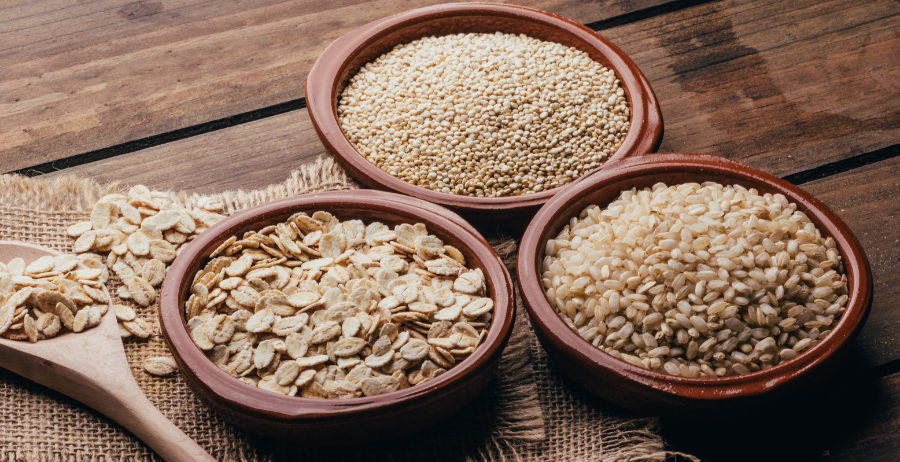
Whole grains digest slowly, releasing glucose steadily into your bloodstream unlike refined grains that cause sudden sugar spikes. They are rich in
- Fiber
- B vitamins
- Essential minerals
that support steady energy and heart health. Oats help reduce cholesterol, brown rice promotes satiety, and quinoa offers plant-based protein. Including a variety of whole grains also helps maintain weight and prevents insulin resistance.
Practical Tip: Replace white rice with brown rice or quinoa. Or enjoy a bowl of oatmeal for a nourishing and blood sugar–friendly breakfast.
3. Berries: Blueberries, Strawberries and Blackberries
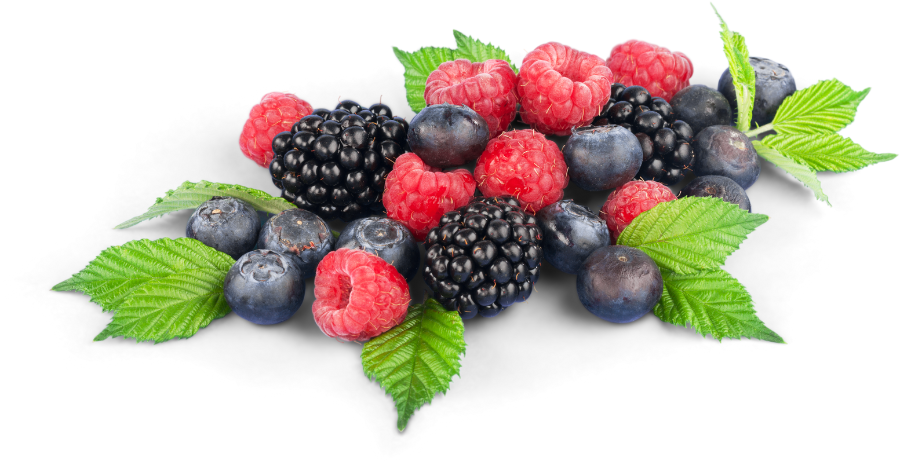
Berries are naturally sweet yet low in calories, making them ideal for curbing sugar cravings. They contains
- Antioxidants
- Vitamins C
- Kpolyphenols
all of which help fight oxidative stress linked to diabetes. Their fiber content also slows digestion and sugar absorption. Regular berry consumption has been linked to improved insulin sensitivity and reduced inflammation.
Practical Tip: Mix a handful of fresh berries into yoghurt, porridge. Or salads for a refreshing, low-glycemic treat.
4. Legumes: Lentils, Chickpeas and Beans
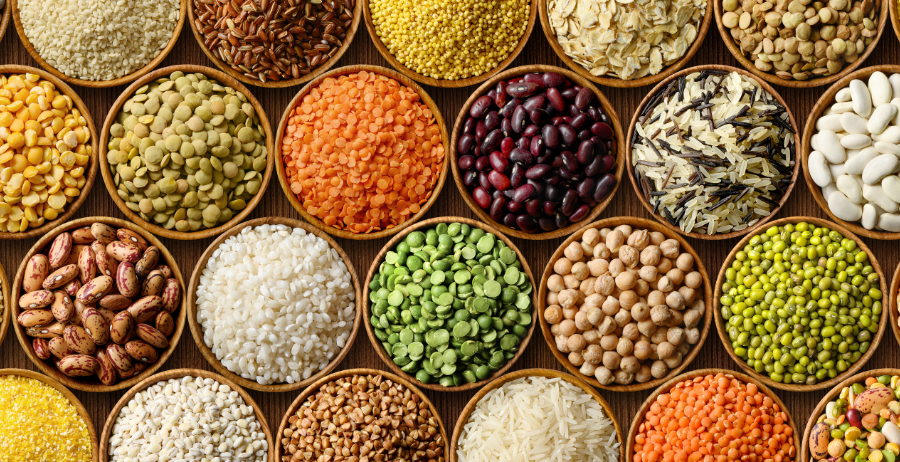
Legumes are a powerhouse of nutrition. They are high in
- Protein
- Soluble fiber
- Slow-digesting carbs
that prevent sugar surges. They help maintain steady energy levels and promote digestive health. Lentils and chickpeas are rich in minerals like magnesium and potassium, which further support blood pressure control. These plant proteins are affordable, filling and adaptable in countless recipes.
Practical Tip: Add lentil soup or chickpea salad to your weekly menu for a hearty and blood-sugar–friendly meal.
5. Nuts and Seeds: Almonds, Flaxseeds and Chia Seeds
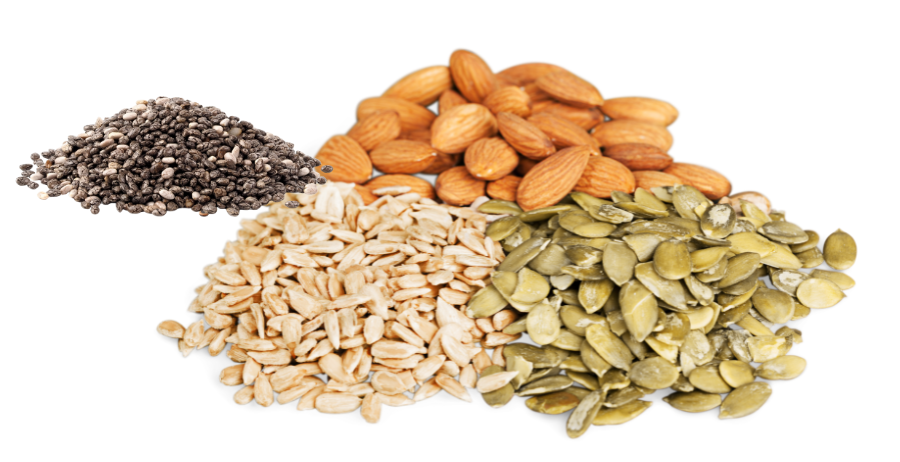
Nuts and seeds provide a healthy balance of
- Good fats
- Protein
- Fiber
Which help manage hunger and stabilize glucose levels between meals. Their omega-3 fatty acids also improve heart health, a common concern for diabetics. Flaxseeds and chia seeds are particularly beneficial due to their soluble fiber and antioxidant content. Including them regularly can also reduce insulin resistance over time.
Practical Tip: Snack on a small handful of almonds or add ground flaxseeds and chia seeds to your morning smoothie or oatmeal.
6. Fatty Fish: Salmon, Mackerel and Sardines

Fatty fish are rich in omega-3 fatty acids that reduce inflammation and protect against heart disease a common diabetes complication. These healthy fats also improve
- Insulin sensitivity
- Help regulate triglyceride levels.
Fish like salmon and mackerel provide lean protein without carbs, keeping blood sugar steady. They are also excellent sources of vitamin D, essential for overall metabolic health.
Practical Tip: Include grilled or baked salmon, sardines, or mackerel in your meals at least twice a week to boost heart and sugar health.
7. Bitter Gourd
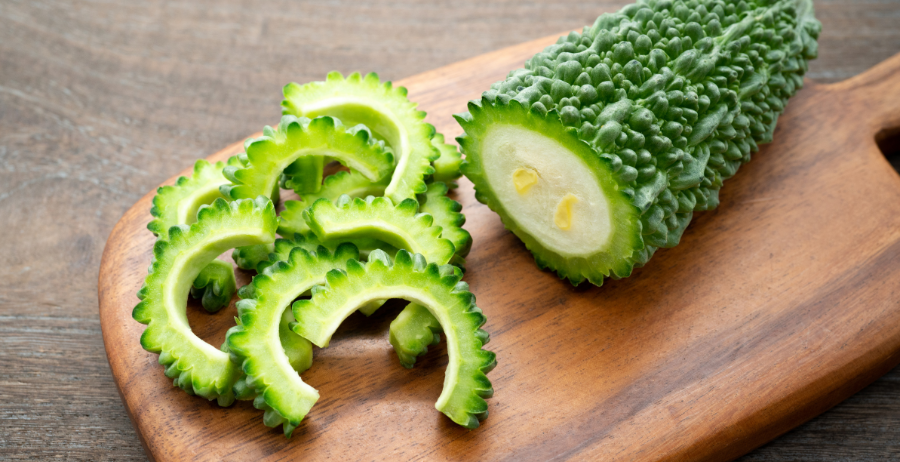
Bitter gourd has long been valued in traditional medicine for its blood-sugar-lowering properties. It contains compounds like
- Charantin
- Vicine
that mimic insulin and help cells absorb glucose more effectively. Regular consumption may reduce fasting blood sugar and improve tolerance to carbohydrates. While its bitter taste takes getting used to, the results are worth it.
Practical Tip: Drink a small glass of fresh karela juice in the morning or cook it with onions and spices for a diabetes-friendly dish.
8. Okra
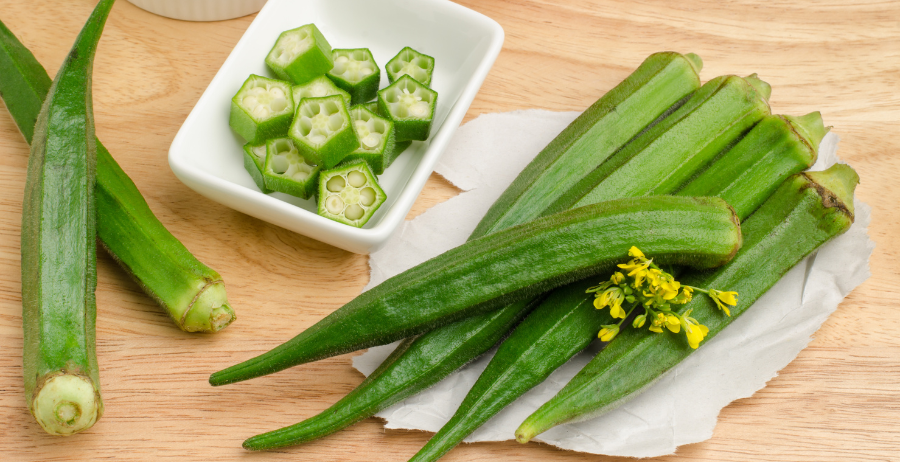
Okra is a rich source of soluble fiber and mucilage both of which help slow the absorption of sugar in the intestines. It supports
- Gut health
- Reduces oxidative stress
And may lower cholesterol levels. Its mild flavor makes it easy to add to a variety of dishes without overpowering other ingredients. Regular consumption can contribute to more stable post-meal glucose readings.
Practical Tip: Sauté okra lightly with turmeric and cumin or add it to lentil stews for a simple, balanced, and comforting meal.
9. Greek Yoghurt and Probiotics

Greek yoghurt provides a double benefit:
- High-quality protein for satiety
- Probiotics for improved gut health
These probiotics can positively affect glucose metabolism and insulin response. It is also lower in carbohydrates than regular yoghurt, making it ideal for diabetes management. When combined with fruit or seeds, it becomes a nutrient-rich snack that supports digestion and blood sugar balance.
Practical Tip: Choose plain, unsweetened Greek yoghurt and top it with berries or a sprinkle of crushed nuts for a satisfying and sugar-smart snack.
10. Cinnamon and Fenugreek Seeds
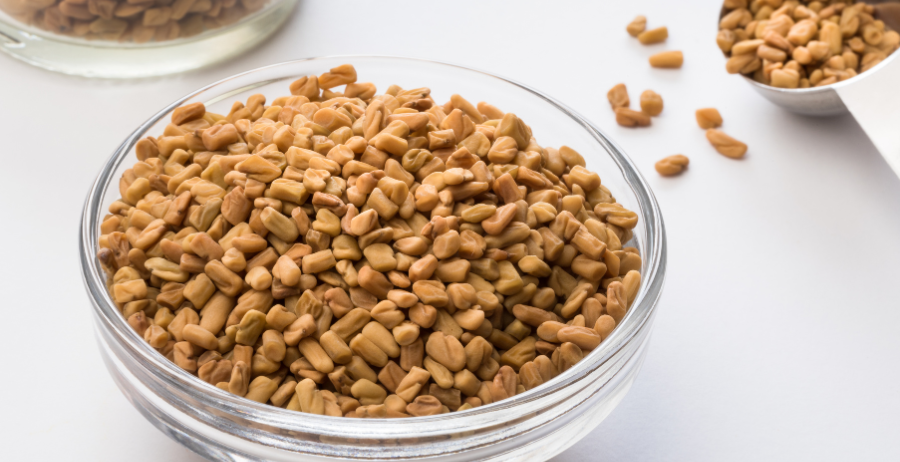
Both cinnamon and fenugreek have powerful compounds that
- Improve insulin sensitivity
- Help to reduce fasting glucose levels
Cinnamon slows stomach emptying, leading to more gradual sugar absorption. While fenugreek seeds contain soluble fiber that lowers post-meal glucose. These natural remedies can complement a balanced diet when used moderately.
Practical Tip: Add cinnamon powder to your morning tea or porridge and drink soaked fenugreek seed water before breakfast for gentle, daily blood sugar support.
11. Avocados and Olive Oil
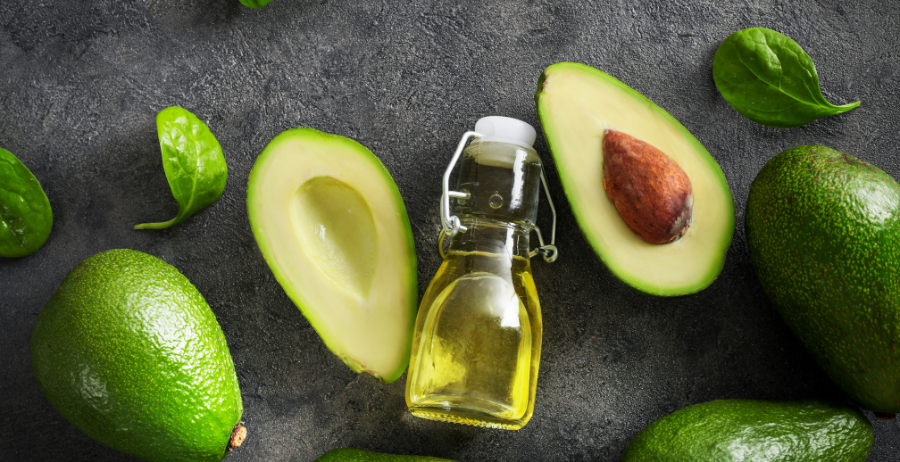
Avocados and olive oil are excellent sources of monounsaturated fats that improve insulin sensitivity and reduce harmful cholesterol. They also help your body absorb fat-soluble vitamins like A, D, E, and K, all vital for metabolic health. Including these healthy fats in your diet can
- Reduce inflammation
- Improve cardiovascular wellness.
Their creamy texture and mild flavor make them easy to incorporate daily.
Practical Tip: Use olive oil as your go-to cooking fat or add avocado slices to whole-grain toast and salads for a filling, nutrient-rich meal.
12. Fruits Good for Diabetes Patient :Apples and Citrus
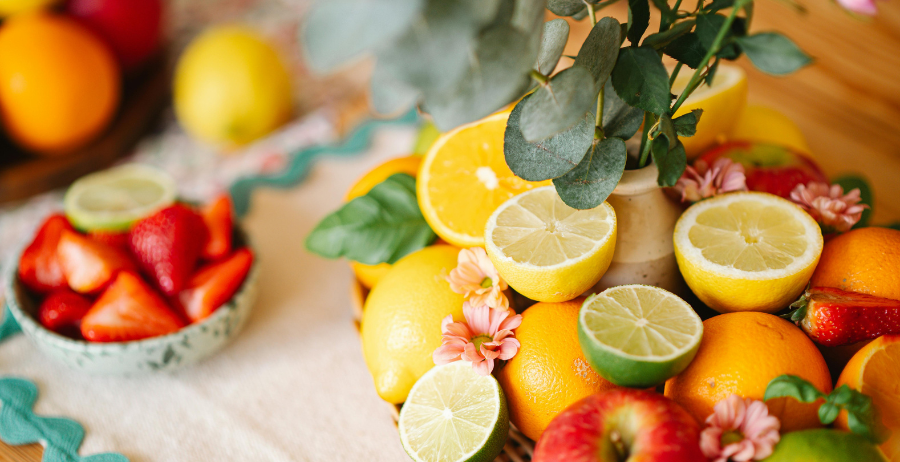
Apples, oranges, and grapefruits are rich in soluble fiber and vitamin C, which help slow glucose release and strengthen immunity. Their natural sweetness makes them a healthy alternative to desserts without causing sugar spikes. Eating whole fruits instead of juicing ensures you get the full benefit of fiber and satiety. Regular fruit intake also supports better digestion and energy balance.
Practical Tip: Enjoy one serving of whole fruit daily, preferably between meals, to curb cravings and support steady blood sugar control.
So, combining these foods into a balanced meal plan with portion control, hydration and regular activity. You can create a long-term path to stable sugar levels and better overall health.
To build healthier routines along with a balanced diet, you can also explore our guide on morning habits of successful people. It offers simple daily practices that can improve both mental and physical health.
Smart Meal Ideas: A Balanced Sugar Level Diet Plan
Creating a balanced diabetic meal plan doesn’t have to be complicated. It’s all about pairing protein, fiber, and complex carbs for steady energy and sugar control. Here is how to turn healthy ingredients into satisfying meals:
| Meal | Smart Combination | Why It Works |
| Breakfast | Vegetable omelets + whole-grain toast + a few almonds | Combines protein, healthy fats, and complex carbs for slow glucose release. |
| Lunch | Brown rice + lentil curry + cucumber salad | High fiber and plant protein help maintain steady sugar levels and improve digestion. |
| Dinner | Grilled fish + sautéed spinach + Greek yoghurt | Lean protein and probiotics support muscle repair and overnight sugar balance. |
These healthy meals for diabetics are simple, filling, and designed to keep your sugar levels stable all day.
Conclusion
Managing diabetes is not about strict diets. It is about smarter and consistent food choices. The best foods for diabetic patients to control sugar level work like natural medicine, helping maintain balance and energy. From leafy greens to whole grains and healthy fats, each bite supports better sugar control. Remember perfection is not the goal; consistency is. Small, mindful swaps made daily can transform your long-term health.
Start small, stay consistent, and let food be your path to stable sugar levels. Keep following for more simple, science-backed nutrition tips for a healthier life.
FAQs:
What are the best fruits for diabetic patients to control sugar?
The best fruits include apples, berries, oranges, and guavas. These are low-glycemic fruits rich in fiber, which helps prevent sugar spikes and supports stable glucose levels.
Can diabetics eat rice or bread daily?
Yes, but portion control is key. Opt for brown rice, quinoa, or whole-grain bread instead of white rice or refined flour to support better blood sugar control.
Is honey safe for people with diabetes?
Honey is natural but still raises blood sugar levels. It can be used sparingly, and only after consulting a doctor or nutritionist.
How much fruit should diabetics eat per day?
Usually, one to two servings of fruit per day is safe, depending on your total carbohydrate goals. Always pair fruit with protein or healthy fats for a balanced glucose response.
Can exercise lower blood sugar immediately?
Yes, physical activity helps muscles use glucose for energy, lowering blood sugar within minutes. Even a 15–20-minute walk after meals can make a difference.
Are eggs good for diabetic patients?
Absolutely. Eggs are a great source of protein and healthy fats, which help stabilize blood sugar and promote satiety without raising glucose levels.
What snacks help control blood sugar at night?
Choose high-protein and high-fiber options like Greek yoghurt with nuts, boiled eggs, or roasted chickpeas to prevent nighttime sugar fluctuations.
What to eat if you have diabetes for balanced sugar levels?
Focus on whole grains, lean proteins, and plenty of fiber-rich vegetables. These foods help keep blood sugar stable throughout the day.