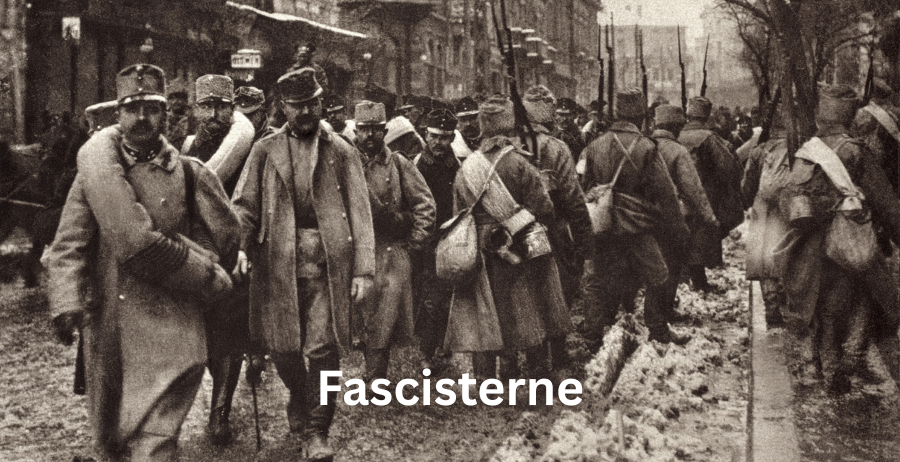
Fascism is a word that still stirs strong emotions and vivid memories of a turbulent past. But what does Fascisterne really mean? The term, which translates to “the fascists” in Danish, represents more than a political label. It reflects an ideology rooted in extreme nationalism and rigid control, one that reshaped nations and altered the course of history.
To understand Fascisterne, we must look back at the world that created them. Born out of the social and economic turmoil after World War I. Fascism promised strength, unity and national pride. Yet behind those promises lay a system built on fear, censorship, and the loss of freedom.
This blog explores how Fascisterne rose from chaos. Then we move to let you know how their ideology gained followers and why its influence still lingers in modern society. By examining their origins, beliefs, and lasting impact, we can better understand how power, identity, and control continue to shape the world today.
What Does Fascisterne Mean?
The word Fascisterne, meaning the fascists in Danish. This term represents followers of a movement built on extreme nationalism, strict authority and suppression of dissent. Emerging after World War I, fascism promised unity and strength but instead brought fear, control and war. Understanding Fascisterne is not just about studying the past. It helps us recognize how similar ideas can reappear in new forms today, reminding us of the importance of protecting democracy and individual freedom.
Origin and Evolution of Fascisterne
To understand the roots of Fascisterne, we need to explore how fascism began and developed across Europe. The word refers to both the followers of fascist regimes and the ideology that shaped them. Fascisterne grew from fear, nationalism, and the desire for unity during times of crisis. Its rise reflects Europe’s struggle to recover from war, instability, and political failure.
After World War I, much of Europe was in ruins. Economies were collapsing, unemployment was high, and faith in democracy was fading. In this climate of uncertainty, many people turned to leaders who promised strength, discipline, and national pride. These promises became the foundation on which fascism and its supporters, known as Fascisterne, began to take shape.
Birth of Fascisterne in Europe
The story of Fascisterne began in Italy under Benito Mussolini. In 1919, he transformed public frustration into a political movement that placed the nation above the individual. His regime celebrated unity, obedience, and power while using propaganda and violence to silence opposition. Mussolini’s success gave fascism a clear structure and inspired similar movements across Europe.
In Germany, Adolf Hitler expanded the fascist model through Nazism, combining nationalism with racial ideology and total control. Spain under Francisco Franco also embraced authoritarian rule, while Hungary, Romania, and Portugal developed their own versions of fascism. These movements attracted people seeking order and pride but brought persecution, war, and loss of freedom.
Fascisterne were not limited to one country or culture. They reflected a wider European trend, where fear of chaos made many believe that absolute power could restore stability and greatness.
» Xbunker: What It Is, How It Works and Why It Matters in 2025
The Danish Context: “Fascisterne” in WWII
During World War II, Denmark faced a difficult and divided reality under Nazi occupation. While many Danes joined the resistance, a smaller group supported or cooperated with the occupiers. These individuals and organisations became known as Fascisterne a Danish word meaning “the fascists.”
Some joined local fascist parties inspired by Nazi ideology, believing that cooperation with Germany would protect Denmark or strengthen its national identity. Others were driven by ambition or fear, hoping to gain favour with the occupiers. Danish fascist groups published propaganda, recruited volunteers for the German army, and helped suppress resistance activities.
After the war, the meaning of Fascisterne grew heavier. Collaborators faced public shame, trials, or imprisonment. Families were divided by guilt and anger, and the country struggled to heal. The word became more than a political label; it became a reminder of moral choices made in a time of crisis.
Today, Fascisterne still carries emotional weight in Denmark. It symbolises both betrayal and the courage of those who resisted. Remembering this part of history encourages reflection on how easily fear and loyalty can blur moral line and why protecting freedom and truth matters in every generation.
Core Ideology of Fascisterne
The followers of Fascisterne built their beliefs around power, control, and devotion to the nation. Their ideas might sound patriotic on the surface, but they often led to oppression and fear. Here are the main beliefs
1. Absolute Nationalism
Fascisterne believed the nation was everything. They promoted extreme pride and loyalty, often turning it into hatred toward outsiders or minorities. This “us versus them” mindset divided societies and fueled discrimination.
2. Authoritarian Leadership
They trusted one strong leader to solve all problems. Mussolini in Italy and Hitler in Germany claimed to represent the people’s will. In reality, they demanded blind obedience and crushed anyone who disagreed.
3. Suppression of Dissent and Media Control
Free speech did not exist under fascist rule. Governments censored newspapers, controlled radio broadcasts, and punished critics. This created a false image of unity while hiding the truth from citizens.
4. Militarism and Glorification of Violence
Fascisterne celebrated military power. Parades, slogans, and uniforms encouraged people to see war as a way to prove strength and loyalty. Violence became part of national identity.
5. The Myth of National Rebirth
Fascist leaders promised to make the nation strong again. They used this message to inspire hope in struggling people. But behind the promise of revival lay fear, control, and the loss of individual freedom.
»Treamweast: The Digital Enigma of 2025
How Fascisterne Gained and Kept Power
Fascisterne did not rise to power overnight. They built their influence step by step, using persuasion, fear, and strict control over society. Propaganda played a major role in shaping how people thought and felt. Governments spread emotional messages through posters, speeches, and films that glorified strength and unity. These messages appealed to people’s desire for stability and pride after years of hardship.
Cult of Personality
The leader was portrayed as a hero or even a saviour. Giant rallies, flags, and dramatic speeches made figures like Mussolini and Hitler appear almost divine. This emotional display helped people believe they were part of something greater than themselves.
Fear and Force
Behind the celebrations and speeches was a system built on fear. Secret police and paramilitary groups silenced anyone who spoke out. Opponents disappeared, newspapers were shut down, and communities were pressured to report dissenters.
Control of Information and Education
Fascist leaders understood that controlling minds began with controlling information. They took over newspapers, schools, and radio stations to ensure that only their message was heard. Children were taught to honour the leader and see obedience as a virtue. Over time, questioning authority became dangerous.
Through a mix of manipulation, loyalty, and intimidation, Fascisterne created a society where questioning power meant risking everything.
Impact on Society and Humanity
The rise of Fascisterne changed the world in painful and lasting ways. Its influence spread through every part of society, from politics to personal life. Below are the main effects it left behind:
- Mass Persecution and War: Fascist movements caused widespread violence, imprisonment, and genocide. Millions of people. Mainly minorities and political opponents were targeted and killed during wars driven by hatred and expansion.
- Destruction and Human Suffering: Cities were destroyed, economies collapsed, and families were separated. The emotional and physical losses created deep wounds across Europe.
- Suppression of Free Thought and Culture: Independent voices were silenced. Artists, writers, and teachers were censored or punished for speaking freely. Culture became a tool for propaganda instead of creativity.
- Control Over Education and Media: Schools and news outlets were used to spread fascist ideas. Children learned obedience instead of critical thinking, which made them accept authority without question.
- Long-term Psychological and Social Trauma: Fear and division continued long after fascist regimes ended. Survivors carried emotional scars, and societies struggled to rebuild unity and trust.
- Lessons for Modern Democracies:In Denmark and across Europe, the memory of Fascisterne serves as a warning. It reminds people that freedom is fragile and must be protected through truth, diversity, and justice.
Modern Echoes: Are There Fascisterne Today?
While the original Fascisterne belonged to a past era, some of their ideas still appear in modern forms. Today, warning signs can be seen in movements that promote extreme nationalism, intolerance, or violence against those who think differently. When freedom of speech is silenced or opposition is punished, societies begin to echo the same authoritarian patterns.
Digital spaces have also become new grounds for influence. Online groups spread disinformation, create political cults around strong leaders, and use fear to divide communities. These tactics resemble the emotional manipulation once used by fascist regimes.
Such patterns can appear anywhere, regardless of country or politics. They serve as reminders that democracy is never guaranteed. Protecting it requires awareness, open debate, and respect for truth. Learning from the story of Fascisterne helps us recognize these dangers early and defend the values that keep societies free.
Lessons to Learn: Resisting Fascisterne Ideology
The history of Fascisterne reminds us that democracy depends on active, informed citizens. Education and a free press are essential to prevent fear and misinformation from taking root. When people think critically and have access to truth, extremist ideas lose power.
Building empathy and respect for different opinions strengthens communities. Open dialogue helps bridge divisions and stops hate from spreading.
Young people and public institutions also play a key role. By promoting participation, fairness, and accountability, they help protect the values that keep societies free and resilient against fascist influence.
Conclusion
Fascisterne is more than a historical term. It represents a time when fear, control, and blind loyalty replaced truth and compassion. Remembering it is not only about studying the past but about understanding the moral choices that shape societies. Authoritarian patterns often begin quietly, through silence, division, or misplaced trust in power. Staying aware of these signs is the first step in preventing them from taking hold again .History teaches that freedom is fragile but worth protecting. Remembering Fascisterne helps us defend democracy, empathy, and human dignity in the world we live in today.
FAQ
What does fascisterne mean in english?
Fascisterne means “the fascists” in Danish. It refers to people who supported fascist ideas or movements, especially during World War II.
How did fascism begin in Europe?
Fascism started in Italy after World War I when people faced poverty, fear, and political chaos. Leaders like Mussolini promised order and national pride.
Who were the fascisterne in Denmark?
They were Danes who supported or cooperated with Nazi Germany during the occupation in World War II. Some joined local fascist groups or helped the occupiers.
What are the signs of modern fascism?
Modern signs include intolerance, extreme nationalism, censorship, and hate toward minorities. It can also appear through online propaganda and political cults.
How can societies prevent fascism’s return?
By protecting free speech, supporting education, and encouraging open discussion. People must stay alert and stand up for democracy and human rights.