Have you ever wondered how a tiny golden seed could influence both flavor and health? Many people believe that Foenegriek which is better known as fenugreek or methi has been used for more than 4,000 years. It has made its place in our wellness shelves from ancient Egypt to today.
Modern studies suggest that this spice may support digestion, blood sugar balance and even milk supply in new mothers. Do you want to know more about it? This guide walks you through everything you need to know about Foenegriek.
What Is Foenegriek?
Foenegriek, scientifically known as Trigonella foenum-graecum is a small annual herb that belongs to the pea family. Its seeds, leaves and extracts are all valued for culinary and traditional health uses.
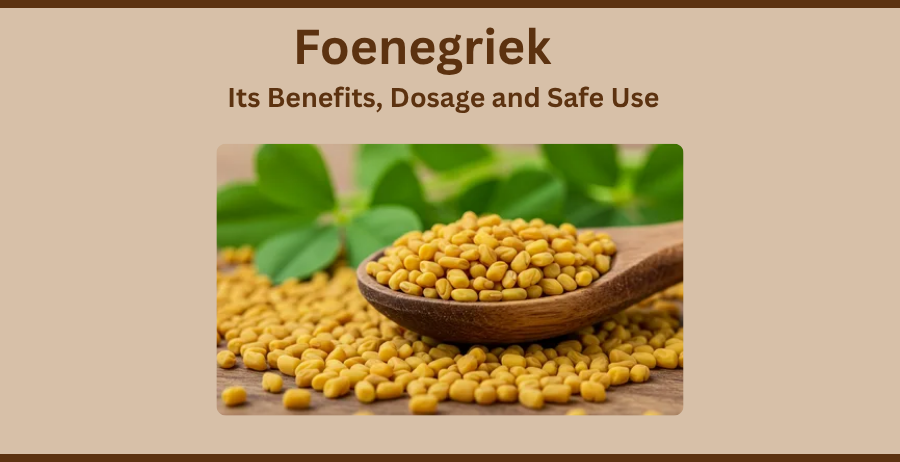
The golden-brown seeds are the most commonly used part, known for their slightly bitter yet sweet aroma that reminds many people of maple syrup. The fresh and dried leaves, often called Kasuri methi, are popular in South Asian cooking and are now appearing in Dutch and Belgian kitchens too.
| Did you know? The name “Foenegriek” comes from the Latin foenum graecum, meaning “Greek hay,” because it was once used as fodder for livestock before becoming a kitchen and wellness staple. |
Origin and History
Foenegriek has deep roots that stretch back more than 4,000 years. Archaeological findings show its use in ancient Egypt, where it was part of herbal remedies and even included in embalming rituals. In Greece and Rome, it was prized both as food and medicine for aiding digestion and easing childbirth.
Timeline note: Around 400 BCE Foenegriek mentioned in traditional Ayurvedic and Greek medical texts.
Across cultures, it carries different names:
- Dutch/English: Foenegriek or Fenugreek
- Hindi/Urdu: Methi (मेथी / میتھی)
- Arabic: Hulbah
Today, it’s cultivated worldwide from India and the Middle East to the Mediterranean valued equally as a spice, supplement, and home remedy.
Flavor & Culinary Roles (NL/BE Relevance)
Foenegriek brings both the versatility of a spice and the freshness of a herb, making it a hidden gem in everyday cooking.
Seeds
The golden-brown seeds are widely used in spice blends like curry powder, garam masala, and pickling mixes. When toasted, they release a rich, nutty aroma and develop a subtle sweetness that enhances sauces and soups. Sprouted seeds add a mild bitterness and crunch to salads, while roasted or soaked seeds are often used in herbal teas and traditional digestive drinks.
Leaves
The fresh leaves, known as methi, are cooked as a leafy vegetable in Indian and Middle Eastern dishes, offering a slightly earthy and tangy flavor. The dried leaves, called Kasuri methi, are a favorite seasoning in Dutch and Belgian fusion kitchens, lending depth to curries, naan, sauces, and even compound butters.
Flavor Profile
Foenegriek has a bitter-sweet, nutty taste with hints of caramel and maple syrup once cooked. This flavor makes it an excellent bridge between traditional Eastern spice blends and Western comfort dishes.
Quick pairing ideas:
- Combine crushed seeds with potatoes or lentils for a warm, earthy twist.
- Stir a pinch of dried leaves into yogurt dips or butter spreads.
- Add to bread dough or vegetable soups for gentle sweetness and aroma.
Friendly and adaptable, Foenegriek turns ordinary recipes into dishes with character and depth perfect for anyone looking to experiment with authentic yet familiar flavors.
»12 Best Foods For Diabetic Patients To Control Sugar Level
Nutrition & Active Compounds
Foenegriek seeds are small but packed with nutrients that make them a valuable addition to both food and wellness routines. They are especially rich in dietary fiber, which supports digestion and may help maintain healthy blood sugar levels. The seeds also provide important minerals like iron and magnesium. These minerals play roles in oxygen transport and energy production.
In addition to nutrients, Foenegriek contains plant compounds such as saponins and diosgenin natural substances being studied for their potential effects on metabolism and hormone balance. Even though Foenegriek is nutrient-dense, it should be seen as a supportive food, not a cure or supplement substitute. Adding small amounts to meals or drinks can contribute to a balanced, wholesome diet.
| Nutrient (per 100 g Foenegriek seeds) | Approximate Amount | Key Role |
| Calories | 320 kcal | Energy source |
| Protein | 23 g | Supports muscles and repairs |
| Total Fat | 6 g | Provides essential fatty acids |
| Carbohydrates | 58 g | Primary energy source |
| Dietary Fiber | 25 g | May aid digestion and blood sugar control |
| Iron | 33 mg | Supports oxygen transport in the blood |
| Magnesium | 190 mg | Helps regulate muscle and nerve function |
| Calcium | 170 mg | Important for bone health |
| Potassium | 770 mg | Supports fluid balance and heart rhythm |
Foenegriek’s nutrient and compound profile shows why it has earned a long-standing place in both kitchens and traditional herbal practices.
Benefits and Safe Use of Foenegriek
Foenegriek offers a blend of traditional wisdom and modern science. Research suggests that its seeds and extracts may provide gentle support for digestion, blood sugar, and cholesterol levels. It is also being valued for uses in lactation and natural skincare. Below you will find its medical benefits.
Blood Sugar & Insulin
Regular use of Foenegriek seeds or extracts may help support healthy blood sugar levels when combined with balanced eating and regular exercise. The soluble fiber in the seeds slows carbohydrate absorption, helping to stabilize energy release throughout the day.
Some studies have shown mild improvements in insulin sensitivity among participants who consumed Foenegriek consistently. However, Foenegriek should be viewed as a supportive food, not a substitute for prescribed medical treatments for diabetes.
How to use: Mix 2–5 grams of ground seeds with meals or steep as tea. Start small and monitor tolerance.
Lactation Support
Foenegriek is also valued for its traditional use in supporting milk production in breastfeeding mothers. Often described as a galactagogue a natural substance that promotes milk flow, it has been used for centuries across cultures.
Some mothers report a mild increase in milk supply after a few days of consistent use, while others notice little to no change. Because every individual responds differently, it is important to consult a healthcare provider or lactation consultant before adding Foenegriek to your routine.
How to use: Use capsules, tea, or soaked seeds following professional guidance or product labels.
Cholesterol & Heart Health
For cholesterol and heart health, Foenegriek may help maintain healthy cholesterol levels when used as part of a heart-friendly lifestyle. Some studies have found modest reductions in total and LDL (“bad”) cholesterol, which is likely due to the plant’s fiber and saponin content that may help reduce cholesterol absorption in the intestines.
How to use: Take 5–10 grams of seed powder or extract daily in divided doses, or add to meals for mild, long-term support.
Digestion & Weight
When it comes to digestion and weight, the high fiber content of Foenegriek can support gentle digestion and a longer feeling of fullness. Its soluble fiber absorbs water, slowing down the digestive process, which may help manage appetite and reduce unnecessary snacking.
How to use: Drink Foenegriek water in the morning or add ground seeds to soups and salads.
»Prostavive Colibrim Review: What It Is, Benefits, and Real Safety Facts
Skin & Hair
In traditional beauty and wellness routines, Foenegriek has been used for skin and hair care for generations. The seeds are rich in antioxidants and vitamins that may nourish the scalp and soothe the skin.
Some early research and anecdotal experiences suggest potential benefits for dandruff reduction and improved hair texture, although evidence remains limited.
How to use: Mix powdered seeds with yogurt or coconut oil as a natural mask for hair or skin once a week.
Safety, Side Effects & Interactions
Foenegriek is generally safe for most people when used in moderate culinary or recommended supplemental amounts. Still, as with any natural product, it is important to understand when caution is needed. The following points will help you use Foenegriek wisely and safely.
Who should avoid or consult a doctor before using Foenegriek:
- Pregnant women, as large doses may stimulate uterine contractions.
- People taking anticoagulant (blood-thinning) or antidiabetic medications, because Foenegriek can enhance their effects.
- Anyone with peanut, chickpea, or legume allergies, since Foenegriek belongs to the same plant family.
- Those scheduled for surgery as it may affect blood sugar and clotting.
Common side effects:
- Mild gastrointestinal discomfort such as bloating or gas, especially when starting use.
- A maple-like body odor, which is harmless and comes from a natural compound called sotolon.
- If you experience nausea, dizziness, or an allergic reaction, stop use and seek medical advice.
Important: Always introduce Foenegriek gradually and use food-level portions first. Supplements should only be used under professional guidance if you have existing medical conditions.
Seeds vs. Leaves vs. Extract: What to Choose
Foenegriek comes in several forms, each offering distinct benefits for cooking and wellness. Your choice depends on your goals, taste preferences, and how convenient you want your routine to be. Use this quick guide to decide which option suits you best.
| Form | Best For | Pros | Cons | How to Use |
| Seeds (whole or ground) | Blood sugar balance, digestion, general health | High in fiber and nutrients, versatile in cooking | Can taste bitter if overused, needs soaking or cooking | Add 1–2 tsp to meals, tea, or soak overnight in water |
| Leaves (fresh or dried / Kasuri Methi) | Flavoring dishes, light daily use | Aromatic, easy to use, mild taste | Lower concentration of active compounds | Add to curries, breads, soups, or sauces |
| Extract / Capsules | Convenience, targeted supplementation | Consistent dosage, no strong taste | Quality varies by brand, risk of overuse | Follow the dosage on the label or professional advice |
Tip: If you are new to Foenegriek, start with leaves for flavor or small seed amounts in meals. Once comfortable, you can explore extracts for targeted use under healthcare guidance.
Buying & Storing in NL/BE
Foenegriek is widely available around the world and easy to source if you know where to look. You can find it in supermarkets (in the spice or herbal tea section), Indian or Middle Eastern grocery stores, Asian markets, and most health food shops or online wellness retailers.
On packaging, look for names such as Foenegriek, Fenugreek, Methi, or Kasuri Methi (for dried leaves).
Choose products with a warm, nutty aroma and rich golden-brown seeds or vibrant green leaves. These indicate freshness and quality. To keep Foenegriek at its best, store it in an airtight container away from light, heat, and humidity. Whole seeds can last up to 12 months, dried leaves around 6 months, and ground powder about 3–4 months before the aroma fades.
Quick Tip: When shopping, compare whole vs. ground Foenegriek. Whole seeds stay fresh longer, while ground forms and dried leaves are quicker to use in cooking or tea.
Bottom Line
Foenegriek can be a smart addition for health-conscious eaters, new mothers, and anyone seeking natural digestive or metabolic support. It’s best suited for those who enjoy experimenting with herbs and spices while staying mindful of balance and safety. People who are pregnant or taking blood-thinning or diabetes medications should check with their healthcare provider first.
The easiest way to begin is by adding small amounts of Foenegriek seeds or leaves to your meals or trying a simple Foenegriek tea. Thinking of trying Foenegriek? Start with culinary use or speak with a healthcare professional to ensure it fits your personal health needs.
FAQs
Is Foenegriek safe during pregnancy?
Foenegriek is best avoided in supplement form during pregnancy, as high doses may stimulate uterine contractions. Culinary amounts used in food are generally considered safe, but always consult your healthcare provider before use.
Does it boost testosterone?
Some small studies suggest Foenegriek extract may modestly support healthy testosterone levels, but results are mixed and not conclusive. It should not replace medical treatment or lifestyle changes for hormone balance.
How long until I notice effects?
It varies by purpose and body type. Some users report mild digestive or lactation effects within a few days, while cholesterol or blood sugar changes may take several weeks of consistent use.
Is kasuri methi the same as Foenegriek?
Yes, Kasuri methi refers to dried Foenegriek leaves, while the term “Foenegriek” can also mean the seeds or the plant as a whole. Both come from Trigonella foenum-graecum but have different culinary roles.
Why do I smell like maple syrup after using it?
That sweet maple scent comes from a natural compound called sotolon found in Foenegriek seeds. It’s harmless and temporary, often noticeable in sweat and urine after regular use.