Ever noticed how a small detail can change the entire feel of a design or product? That final touch the way light reflects off a surface, the smoothness of an interface, or the perfect colour alignment is what Acamento is all about.
It is not just about aesthetics. It is the thoughtful refinement that transforms ordinary work into something exceptional. Whether in architecture, digital design, or branding. It represents the art of completion the subtle craftsmanship that adds depth, emotion and lasting value to everything we create.
What Is Acamento?
Acamento comes from the Portuguese word acabamento, which means finishing or completion. Traditionally, it referred to the final layer or polish applied to materials. Like the smooth coating on furniture, the texture of a wall, or the shine of metalwork. Over time, Acamento has evolved beyond its literal meaning to represent a mindset a philosophy of refinement and care.
Today, Acamento is seen as the art of perfecting details, where quality meets emotion. In physical design, it’s the precision of a handcrafted table or the seamless joinery in architecture. In digital design, it is the elegant animation, balanced layout, and smooth user flow that make an experience feel beautifully complete.
The Philosophy Behind Acamento
At its core, Acamento is a mindset of intentional completion. It is the belief that true excellence lies not in how quickly something is finished, but in how thoughtfully it is completed. Many projects reach the point of being done, yet only a few feel complete. That difference lives in the details the care, precision, and emotion poured into the final stages.
Acamento reminds creators that refinement is not an afterthought but a defining stage of craftsmanship. As Leonardo da Vinci once said,
Details make perfection, and perfection is not a detail.
This captures the essence of Acamento: every small decision, every subtle adjustment, shapes the quality and soul of the final creation.
Real-World Applications of Acamento
Acamento applies to every creative field, shaping how we see, use, and connect with things. From buildings and products to digital design and branding, it’s what makes ordinary work feel complete and meaningful.
Acamento in Architecture & Interior Design
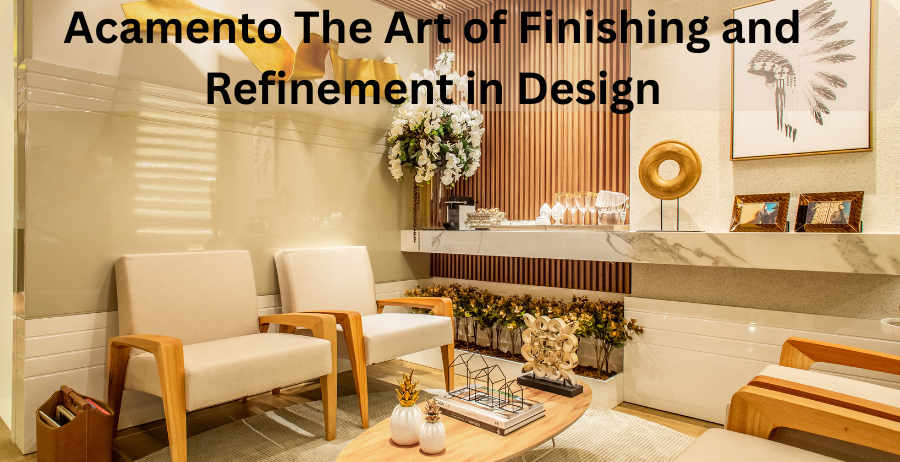
In architecture and interiors, Acamento appears in the finishing touches that define the character of a space, such as materials, textures, lighting edges, and how surfaces meet. A minimalist room can feel either plain or peaceful depending on the precision of its finishes. Perfectly aligned corners, smooth plasterwork, and consistent lighting turn simplicity into elegance.
Acamento in Product Design
In product design, Acamento lives in the small details like edge curves, surface textures, and user touchpoints. Brands such as Apple and IKEA excel at this. From the soft click of an iPhone button to the seamless fit of furniture parts, every element shows care and craftsmanship. It’s not only about appearance but also about how a product feels and performs.
Acamento in Digital Design
In the digital world, Acamento appears through micro-interactions, subtle animations, and smooth transitions. These details may seem minor but they greatly influence how users experience a website or app. A refined hover effect, elegant loading screen, or clean typography adds polish and makes the interface feel natural and enjoyable.
Acamento in Branding & Business
Acamento also plays an important role in branding and business. It’s the final stage where identity, packaging, and storytelling connect. A brand with consistent tone, visuals, and presentation builds trust and professionalism. When a logo, message, and design all flow together, that sense of harmony reflects true Acamento.
Embracing Acamento brings both aesthetic and practical advantages, helping creators, designers, and brands elevate their work in meaningful ways. It enhances quality, deepens emotional impact, and builds lasting trust with users or clients.
- Elevates quality and perceived value: Well-finished details make any creation feel premium and carefully made, increasing its overall value and appeal.
- Strengthens emotional connection: Subtle refinements make people feel the care behind the work, creating a stronger emotional bond with the design or product.
- Builds consistency and trust: When every element is thoughtfully finished, it signals reliability and professionalism, encouraging long-term trust.
- Enhances longevity and usability: Quality finishes not only look better but also improve durability and function, extending a product’s lifespan.
- Differentiates your work from competitors: Acamento helps your work stand out by reflecting attention to detail and dedication that others often overlook.
How to Apply Acamento in Your Work
Applying Acamento is about being intentional and structured throughout the creative process. It ensures every project feels complete, cohesive, and polished without wasting effort or time.
- Start with a clear intent and plan for finishing: Define your finishing goals at the beginning so refinement becomes part of the process, not an afterthought.
- Create a Polish checklist: List key areas to review, such as alignment, texture, transitions, and consistency. This helps keep quality control organized.
- Review transitions and small details: Focus on how materials, visuals, or sections connect. Seamless transitions often define the strength of Acamento.
- Test with fresh eyes: Step back and review your work after a short break or get feedback from others to spot missed imperfections.
- Know when to stop: Perfection can be endless. Decide when your work achieves the right balance of quality and purpose, and mark that as complete.
Challenges and Balance
While Acamento adds immense value, it also comes with challenges. Focusing too much on perfection can lead to over-designing or wasting time and resources on details that may not impact the final result. The goal is not endless refinement but knowing when something feels complete and functional.
Finding balance between polish and practicality is key. Every project has limited budget, time, and purpose. The best results come from recognizing which details truly enhance quality and which ones simply add delay.
To avoid perfection paralysis, set clear finishing goals, priorities high-impact details, and trust your creative instincts. Sometimes, the best Acamento is achieved when you know when to stop.
» Tarnplanen: The Ultimate Guide to Camouflage Tarps for Outdoor Adventures
The Future of Acamento
The future of Acamento lies in blending craftsmanship with innovation. As design, technology, and AI continue to evolve, the idea of finishing is expanding beyond physical materials to include digital experiences and sustainable practices. Designers and brands are now focusing on how refinement can enhance both usability and environmental responsibility.
In the coming years, Acamento will represent a balance between precision and purpose where perfection meets practicality. Whether in architecture, digital design, or branding, the next generation of creators will use Acamento not just to polish the surface, but to shape meaningful, lasting experiences.
Conclusion
Acamento is more than a design principle; it’s the mindset of mastery. It teaches us that true excellence lies in the small, thoughtful details that bring a project to life. When you approach your work with this sense of completion, every result feels purposeful and refined.
Apply Acamento intentionally in your next project whether you are designing, building, or creating. And experience how finishing with care transforms good work into something exceptional.
FAQs
What does acamento mean?
Acamento comes from the Portuguese word “acabamento,” meaning finishing or polishing. It represents the art of refinement and attention to detail that makes any creation feel truly complete.
What are examples of acamento in architecture?
In architecture, this appears in the finishing materials, smooth surface transitions, lighting edges, and precise detailing that give spaces their character and harmony.
Is acamento only for design fields?
No, Its applies to many areas beyond design, including business, branding, and digital work. It’s about quality, care, and the thoughtful completion of any project.
How can I develop an acamento mindset?
Start by planning for refinement from the beginning, paying close attention to small details, and reviewing your work with fresh eyes to achieve a balanced, polished result.
Why is acamento important in modern branding?
Its helps brands build trust and recognition by ensuring that every element, logo, packaging, tone, and visuals feels consistent, refined, and professional.